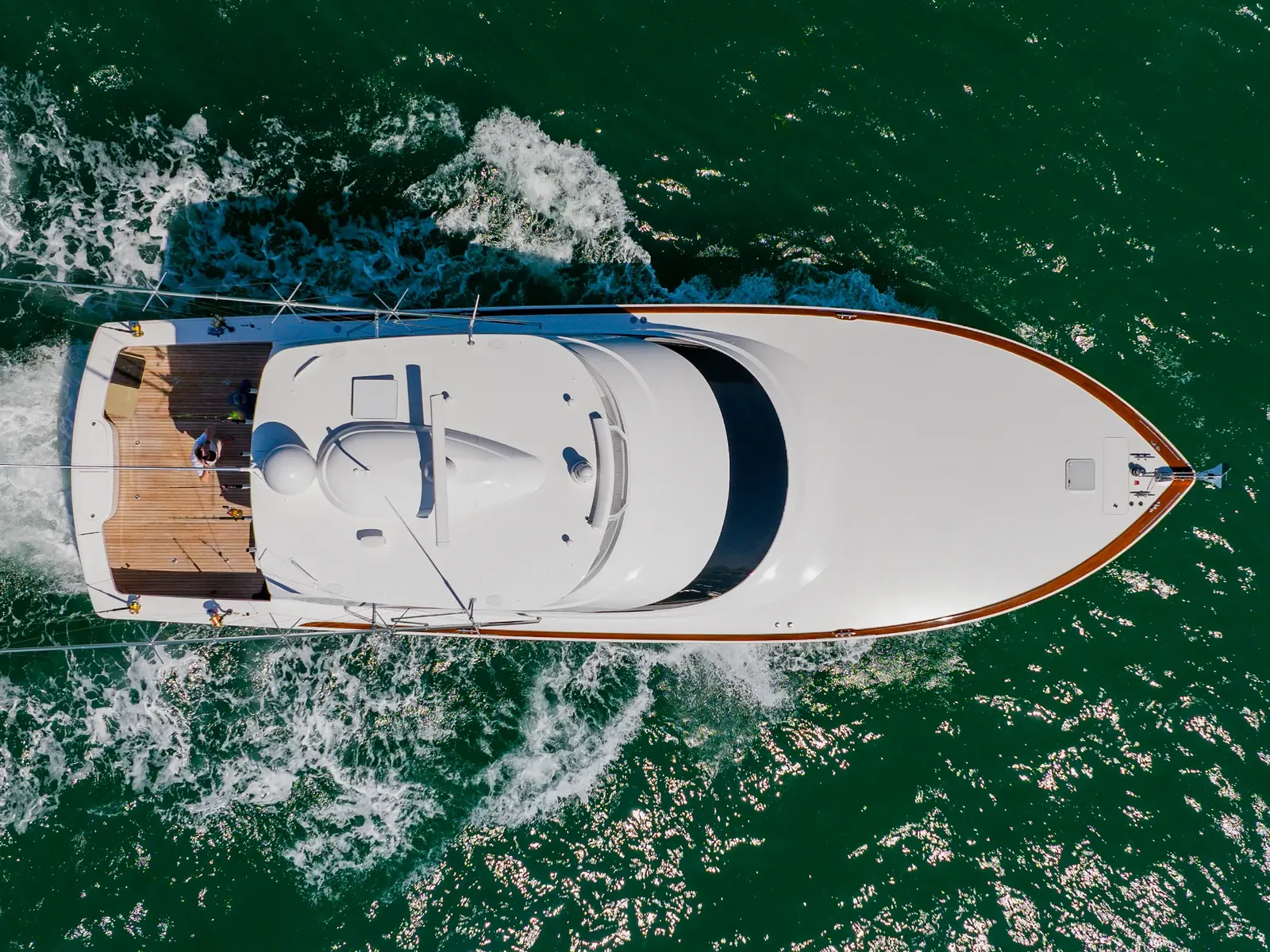
The Vessel
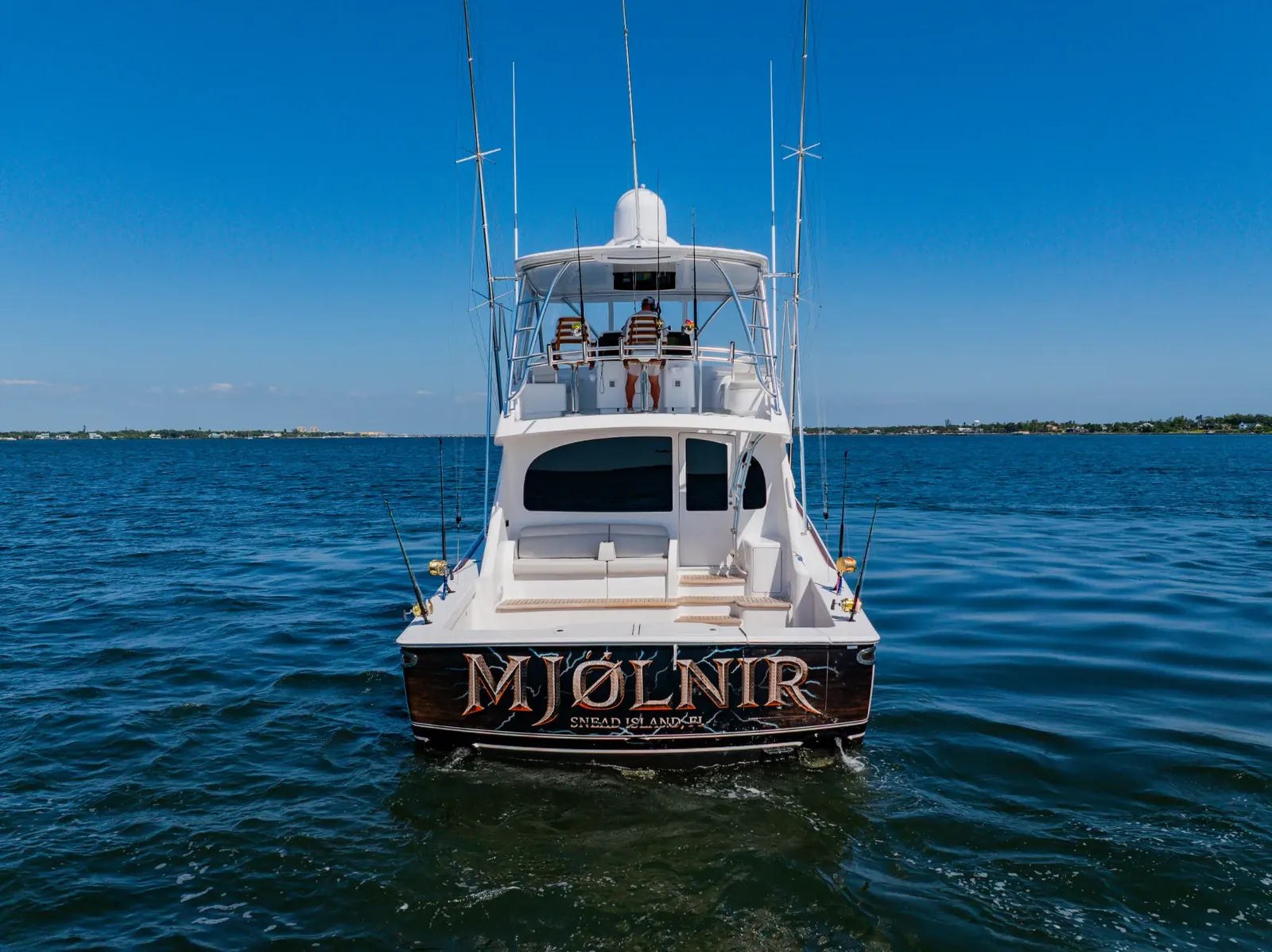
Mjolnir. The weapon that always returns.
A boat is named for what her crew wants from the sea. We named ours for the one thing in the old stories that never stayed lost.
The name
A hammer forged to come home
Forged by dwarves, carried by a god, and never once lost.
In the Norse telling, Mjolnir — the name is usually rendered as “the grinder” or “the lightning maker” — was made by the dwarf brothers Brokkr and Eitri. Loki had wagered his head that no smith alive could match the gifts already made for the gods, so the brothers worked the forge while Loki, in the shape of a fly, did everything he could to break their concentration.
He very nearly managed it. The fly settled on Brokkr’s eyelid and bit hard enough to draw blood, and for one moment the bellows stopped. That moment is why the hammer came out of the forge with a shorter handle than it should have had.
It was judged the finest gift of them all, and the reason is the part every sailor understands. Thrown, Mjolnir never missed. Thrown as far as Thor liked, it never stayed gone — it always found its way back to the hand that threw it.
The old stories make the same point again and again. When the giant Thrym stole the hammer and buried it eight miles deep, Thor went and got it back — dressed, memorably, as a bride. Nothing keeps it. Not distance, not theft, not the deep.
That is the promise every crew wants from the water. Not that the weather will be kind, and not that the engine will never quit — but that the boat comes home. The hammer is the oldest way anyone ever said that out loud.
- Forged by
- Brokkr and Eitri, dwarf smiths
- Carried by
- Thor, god of thunder
- The flaw
- A short handle — Loki’s interruption at the forge
- The gift
- Thrown, it never missed and never stayed lost
- Its office
- To hallow what it touched: oaths, marriages, births, and safe passage
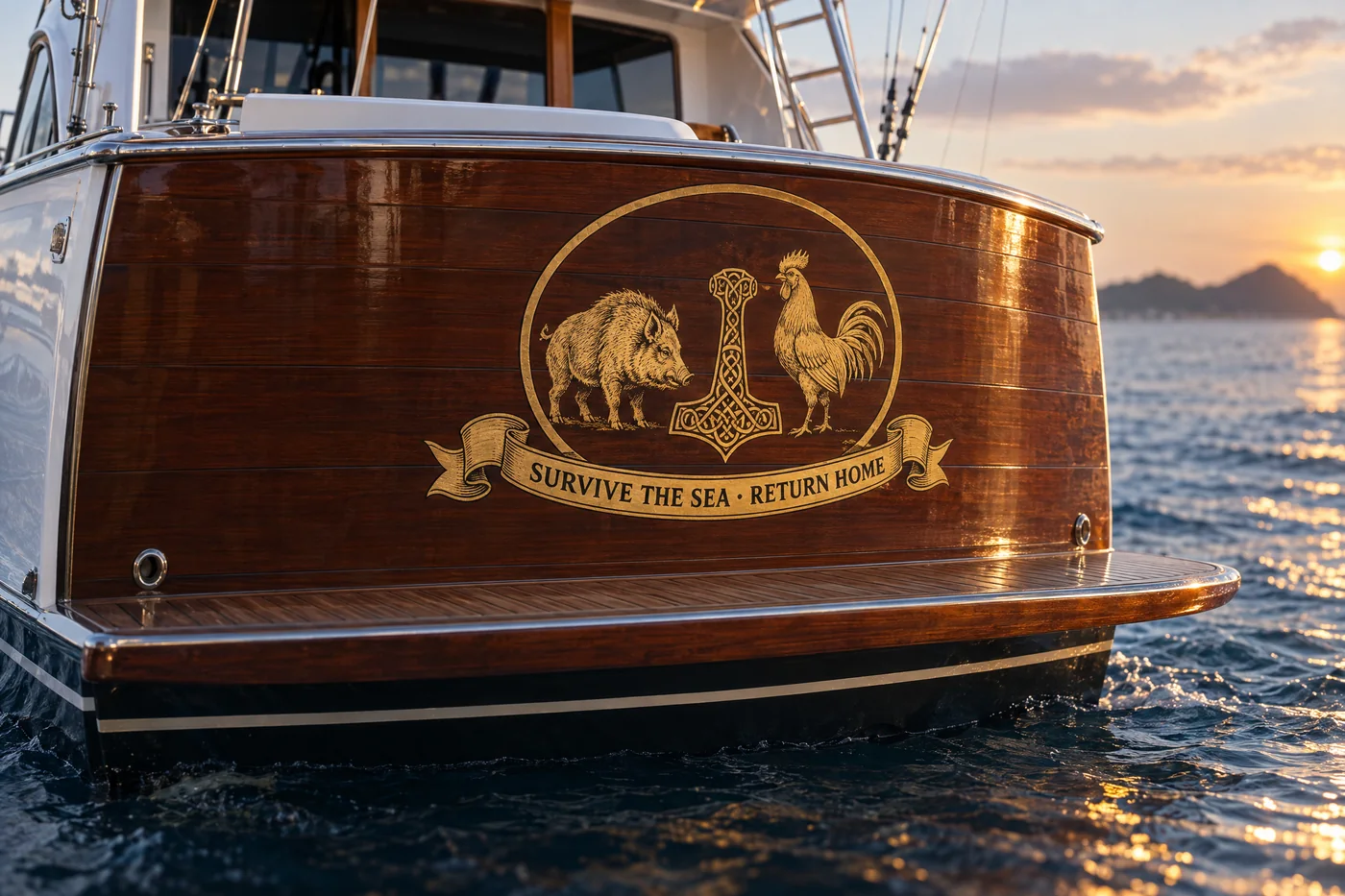
It is also why the name sits so naturally beside the pig and the rooster. The legend of the pig and the rooster is the promise of survival; the hammer is the promise of return. Together they are one sentence: you go out, and you come back.
Survive the sea. Return home.
Aboard
What she looks like
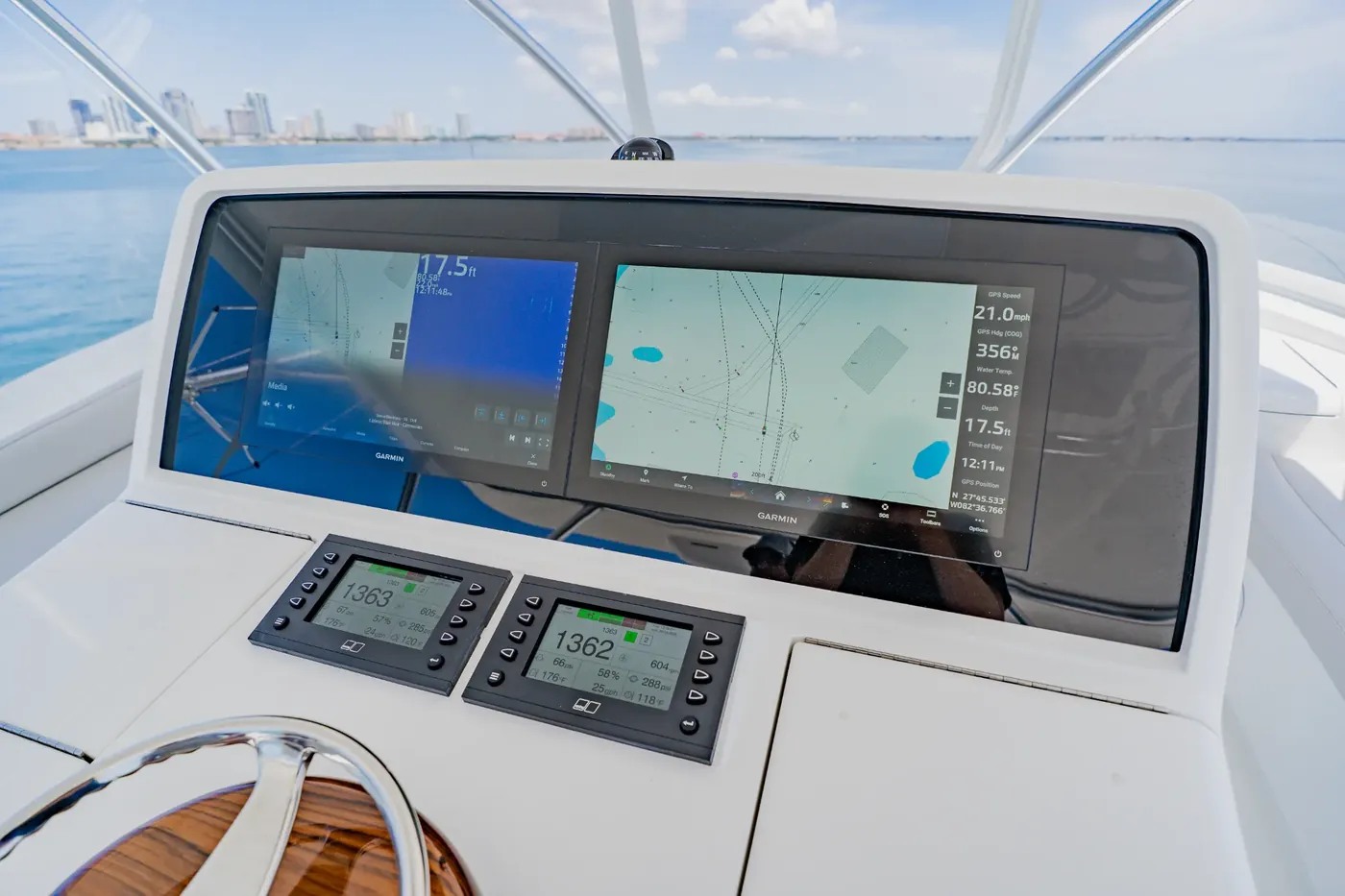
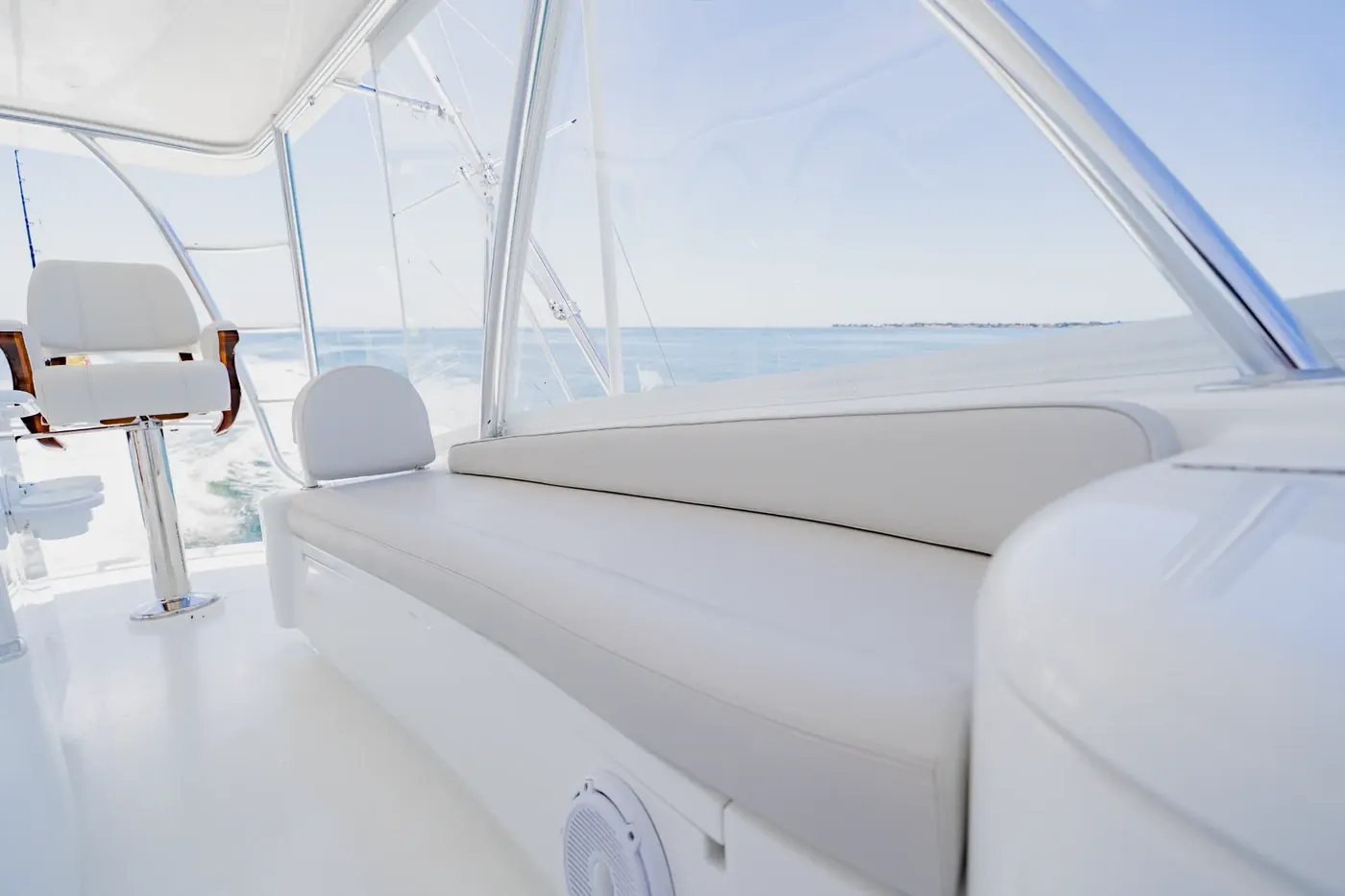
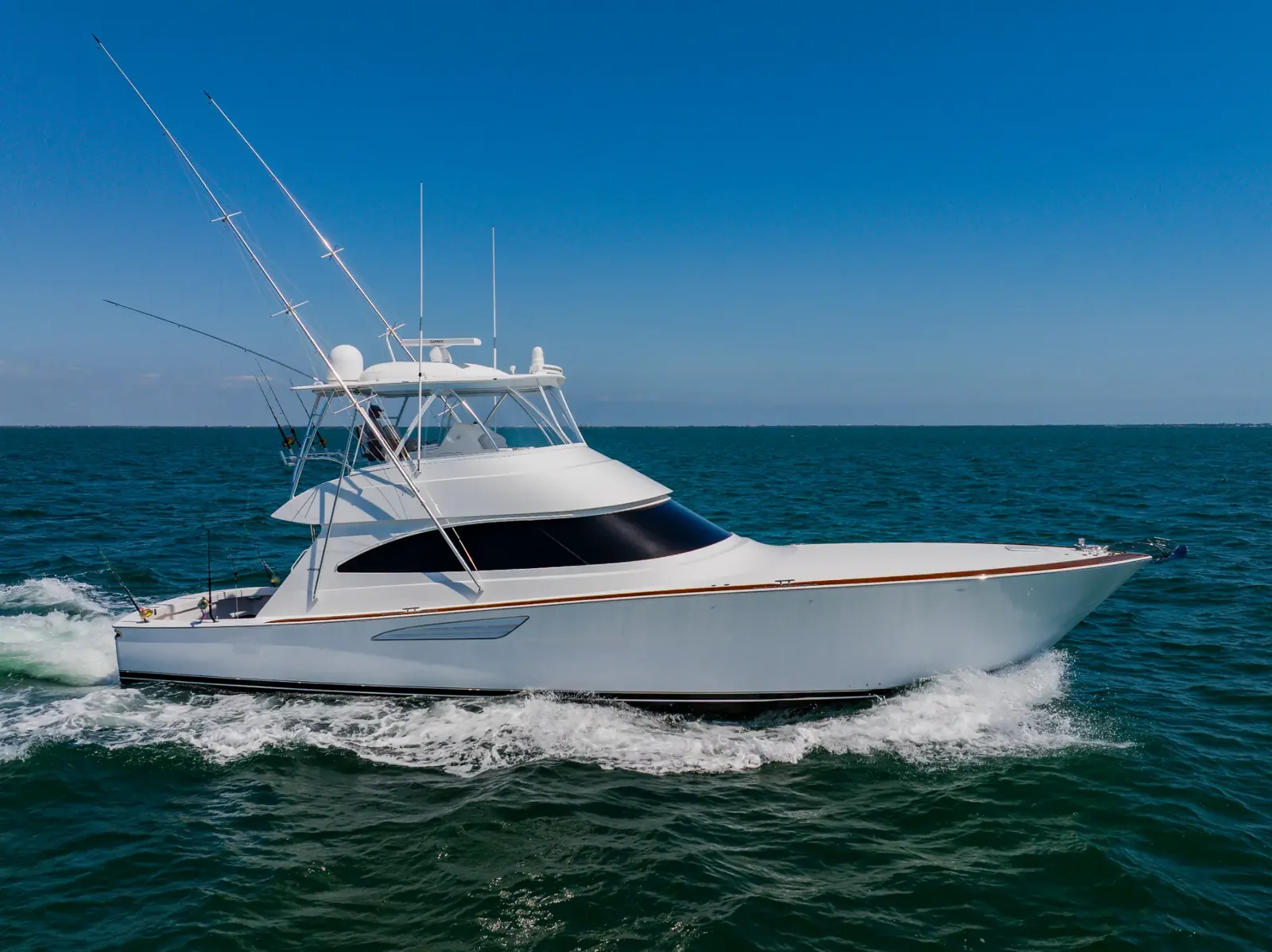
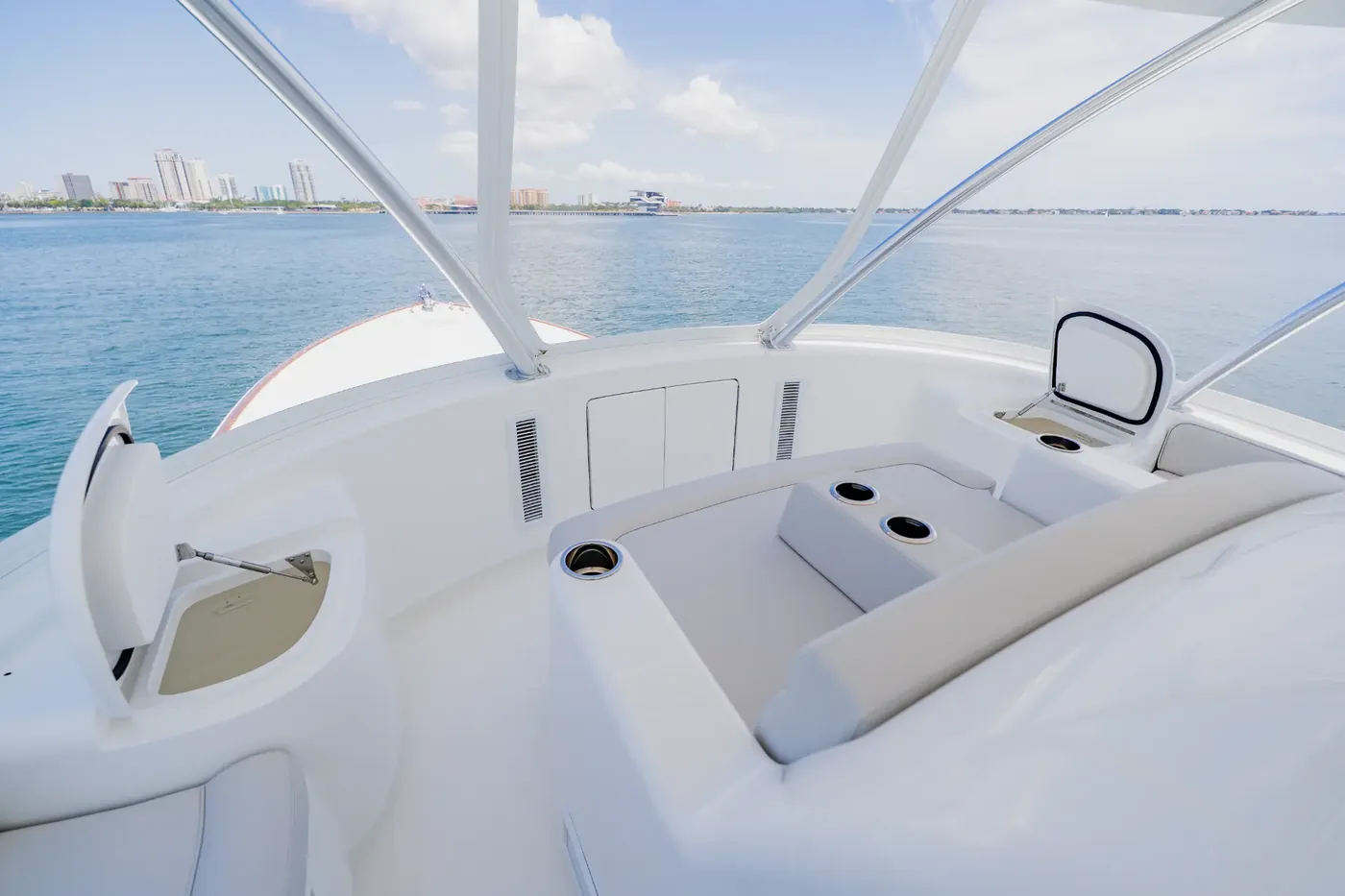
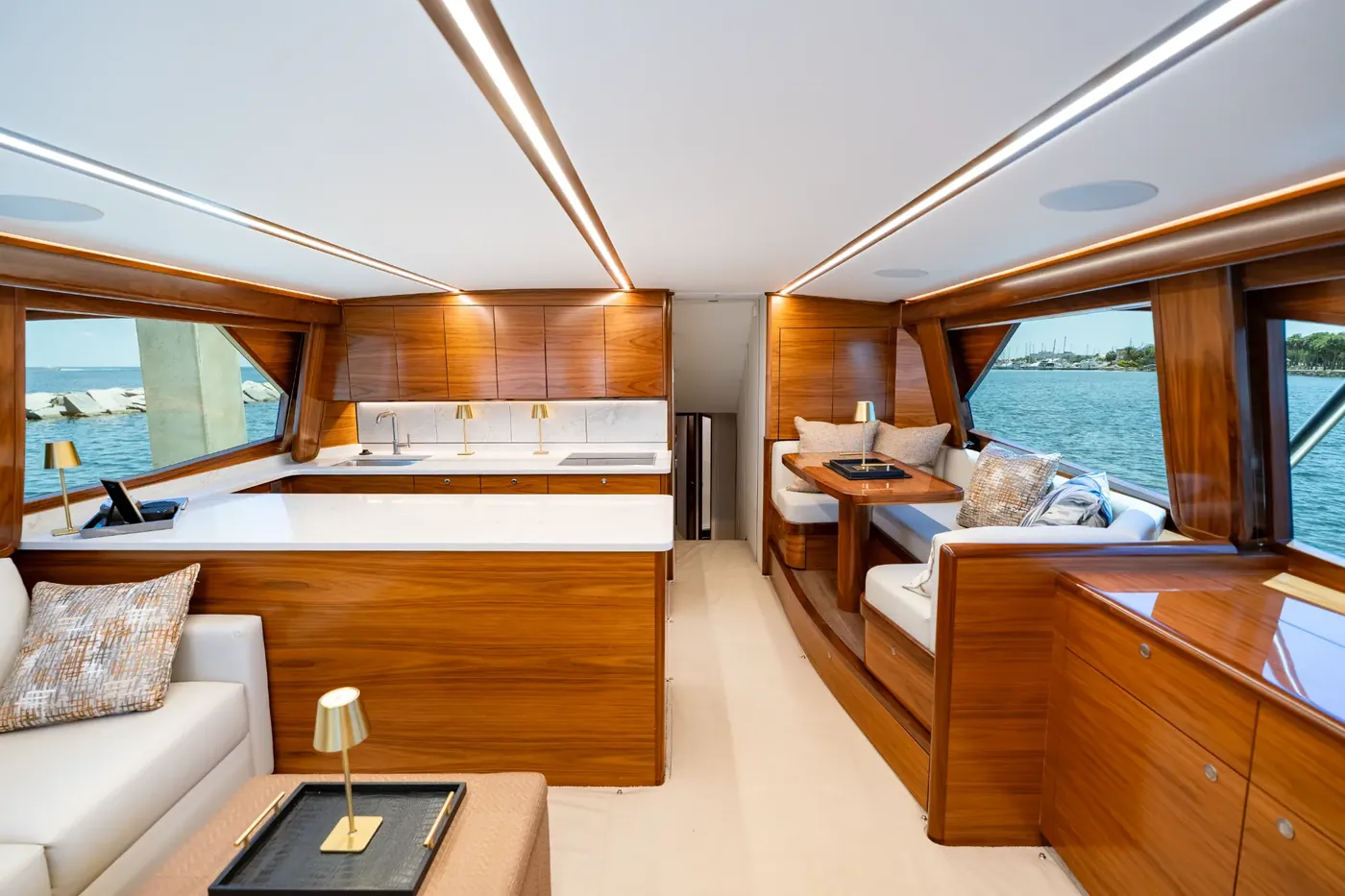
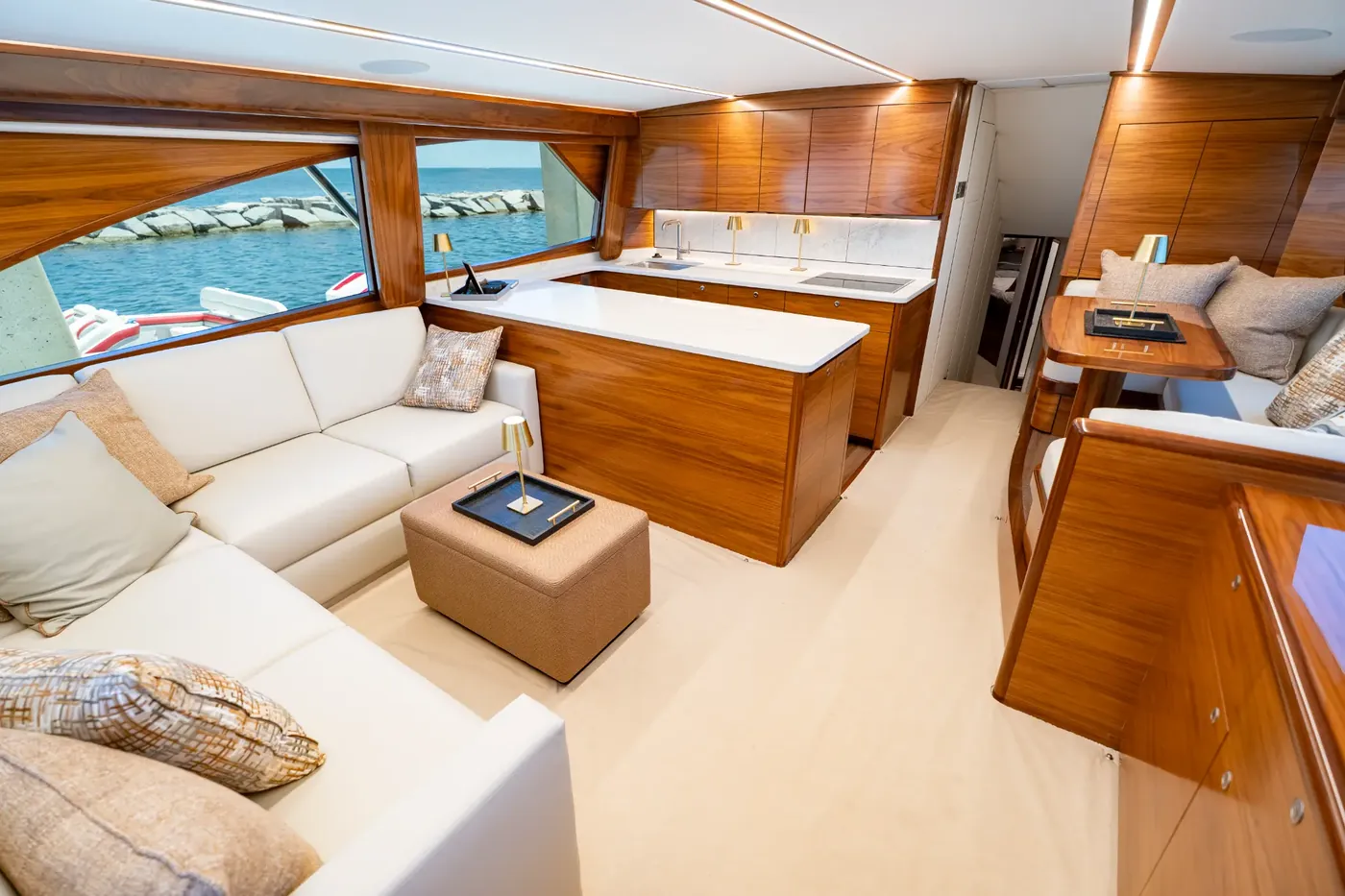
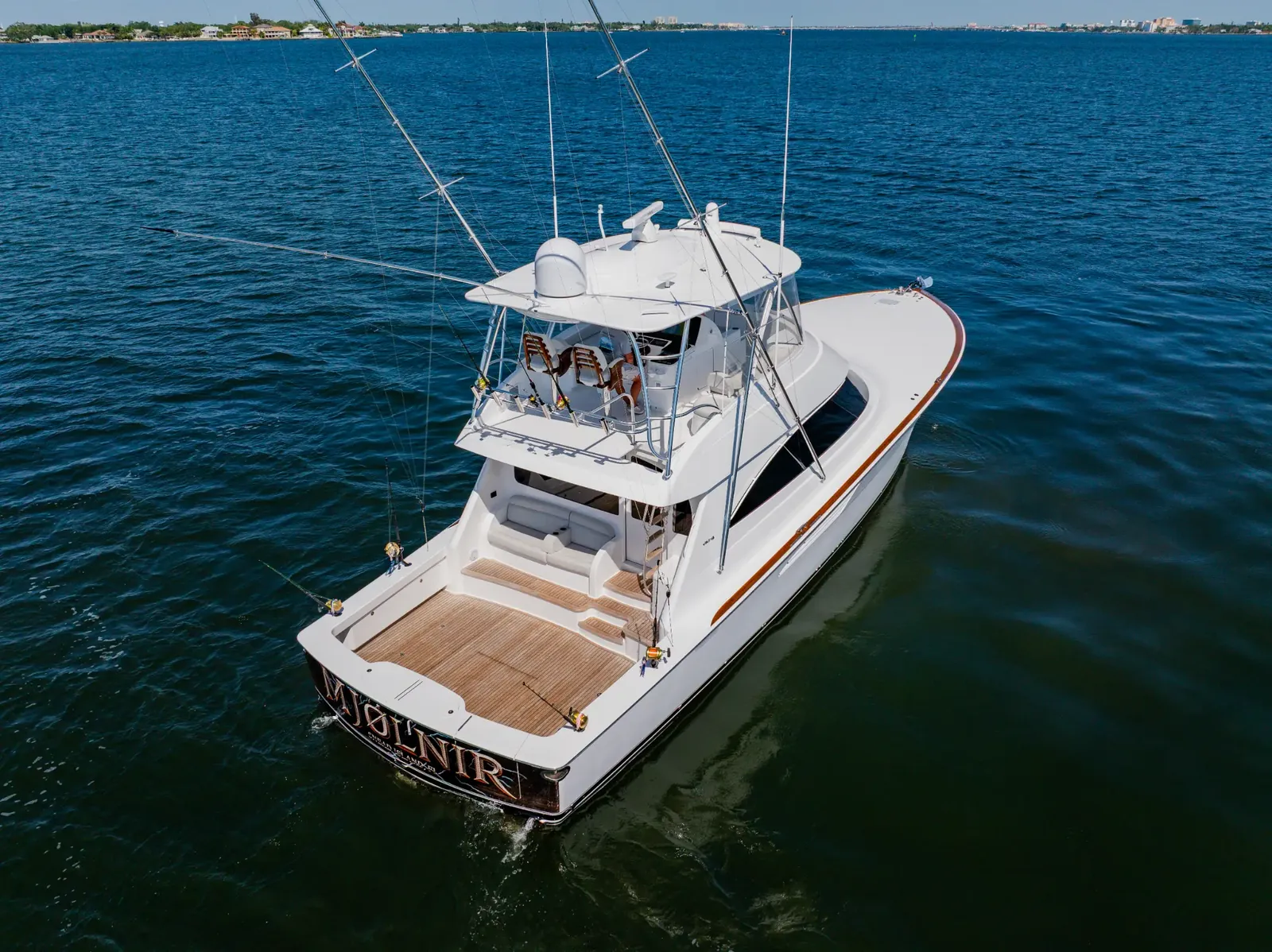
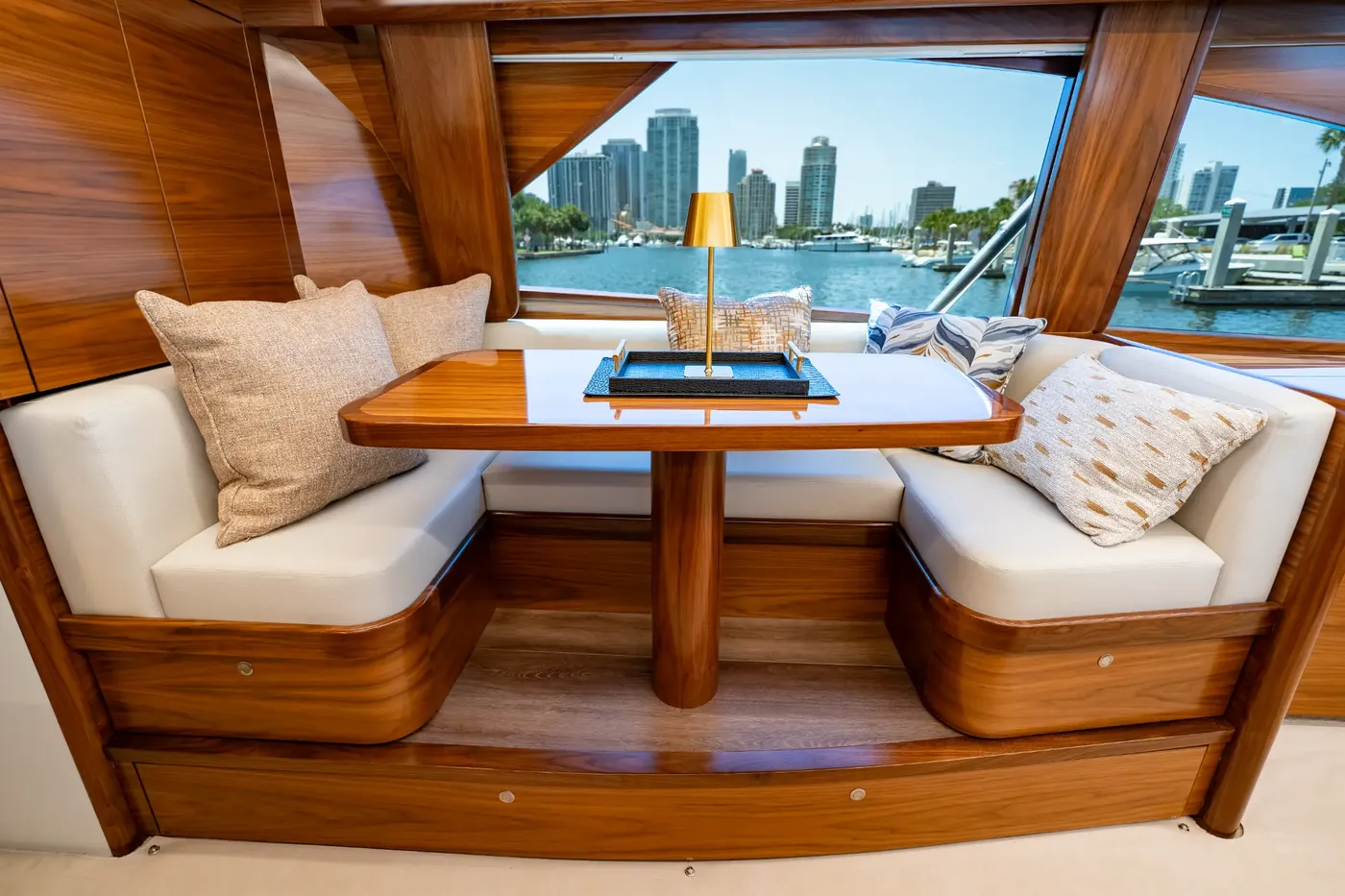
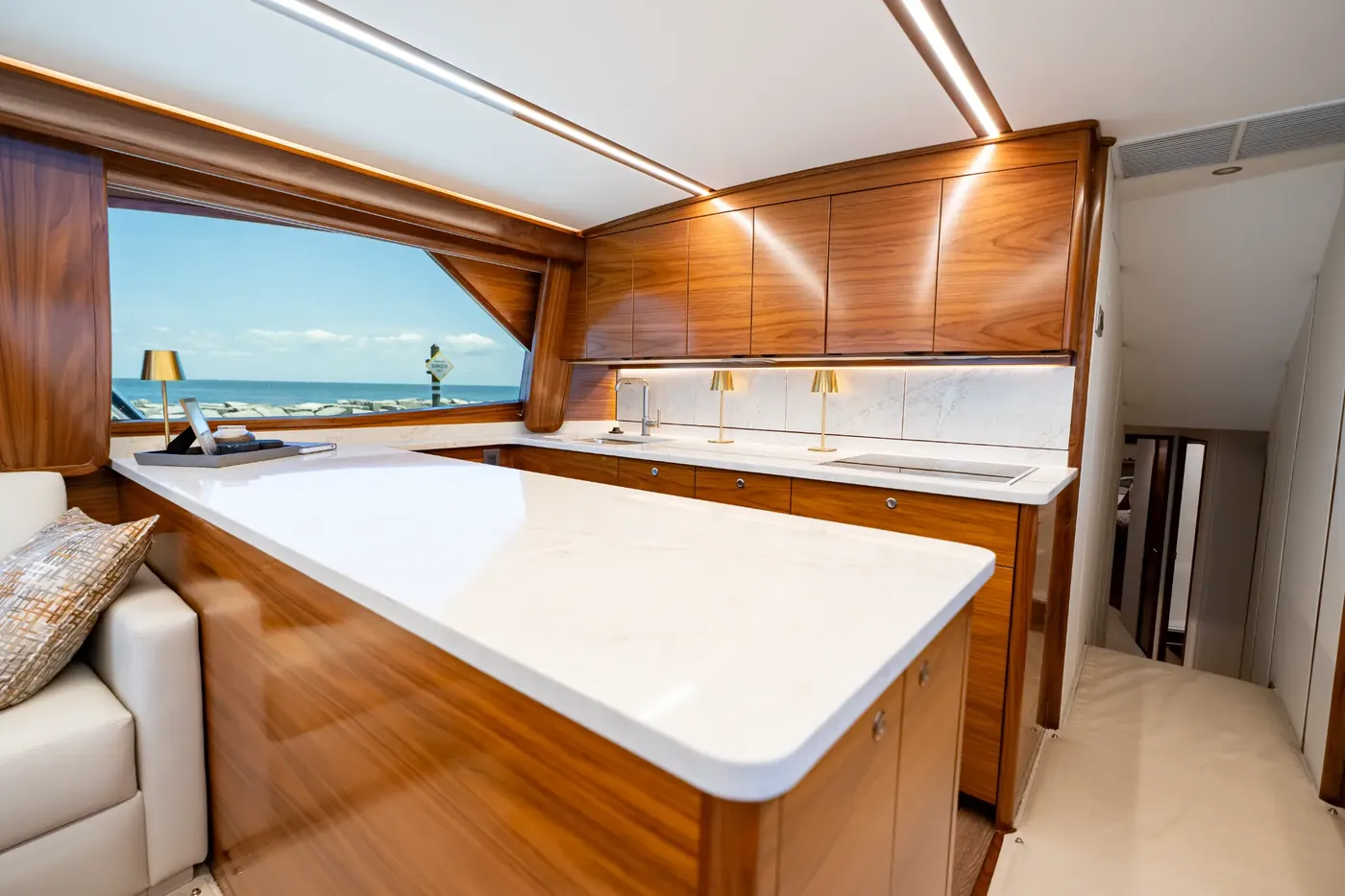
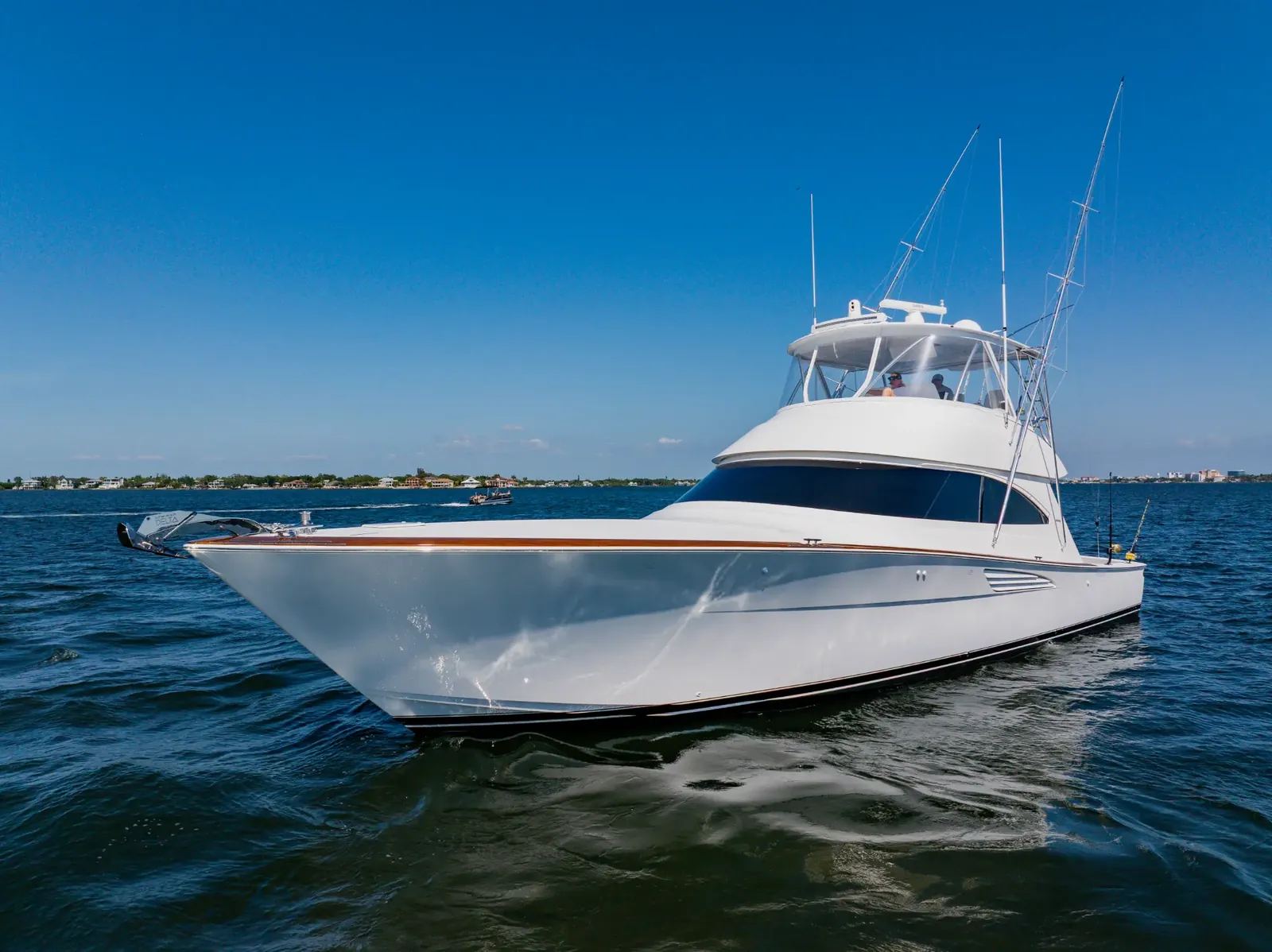
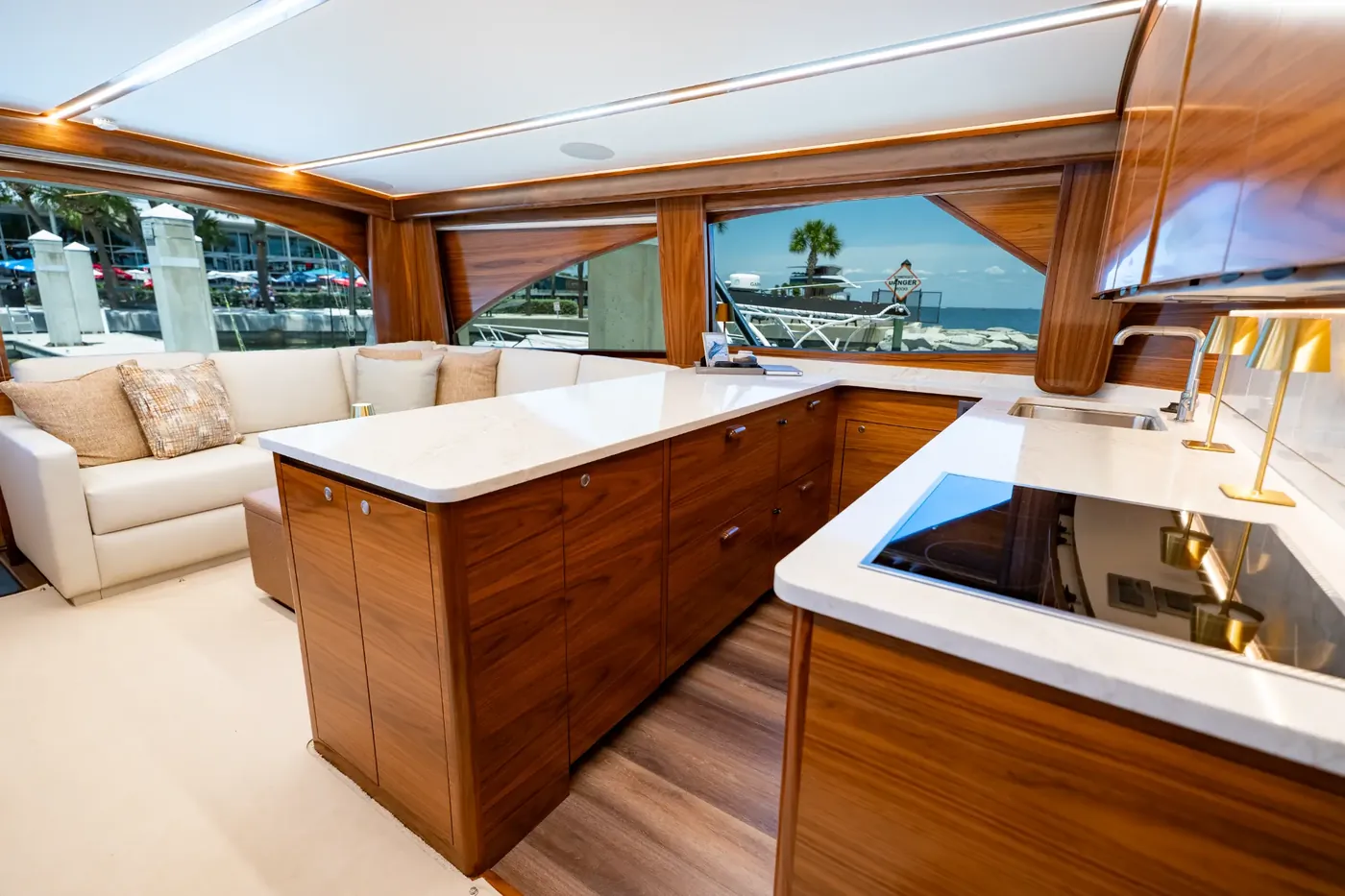
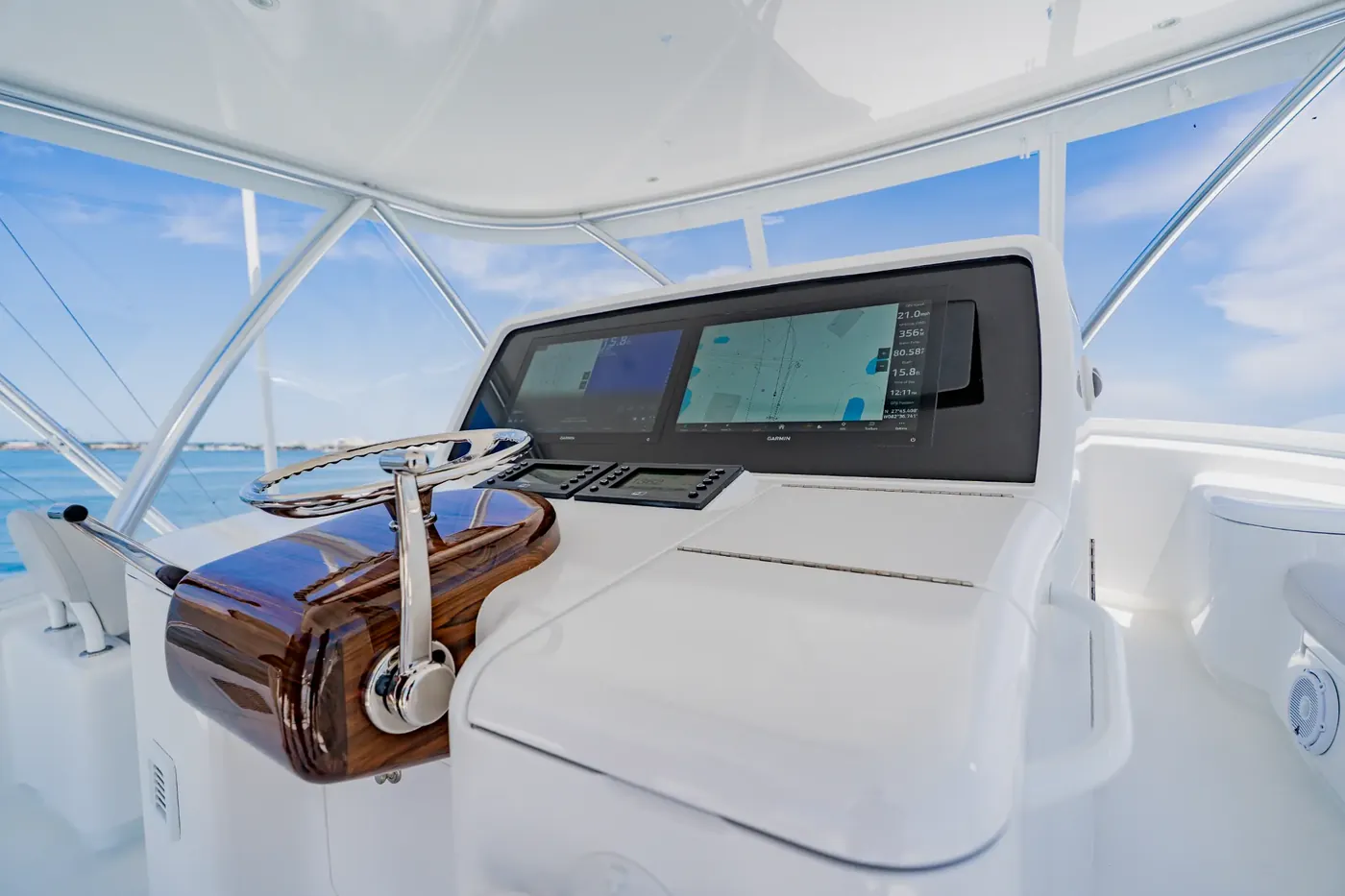
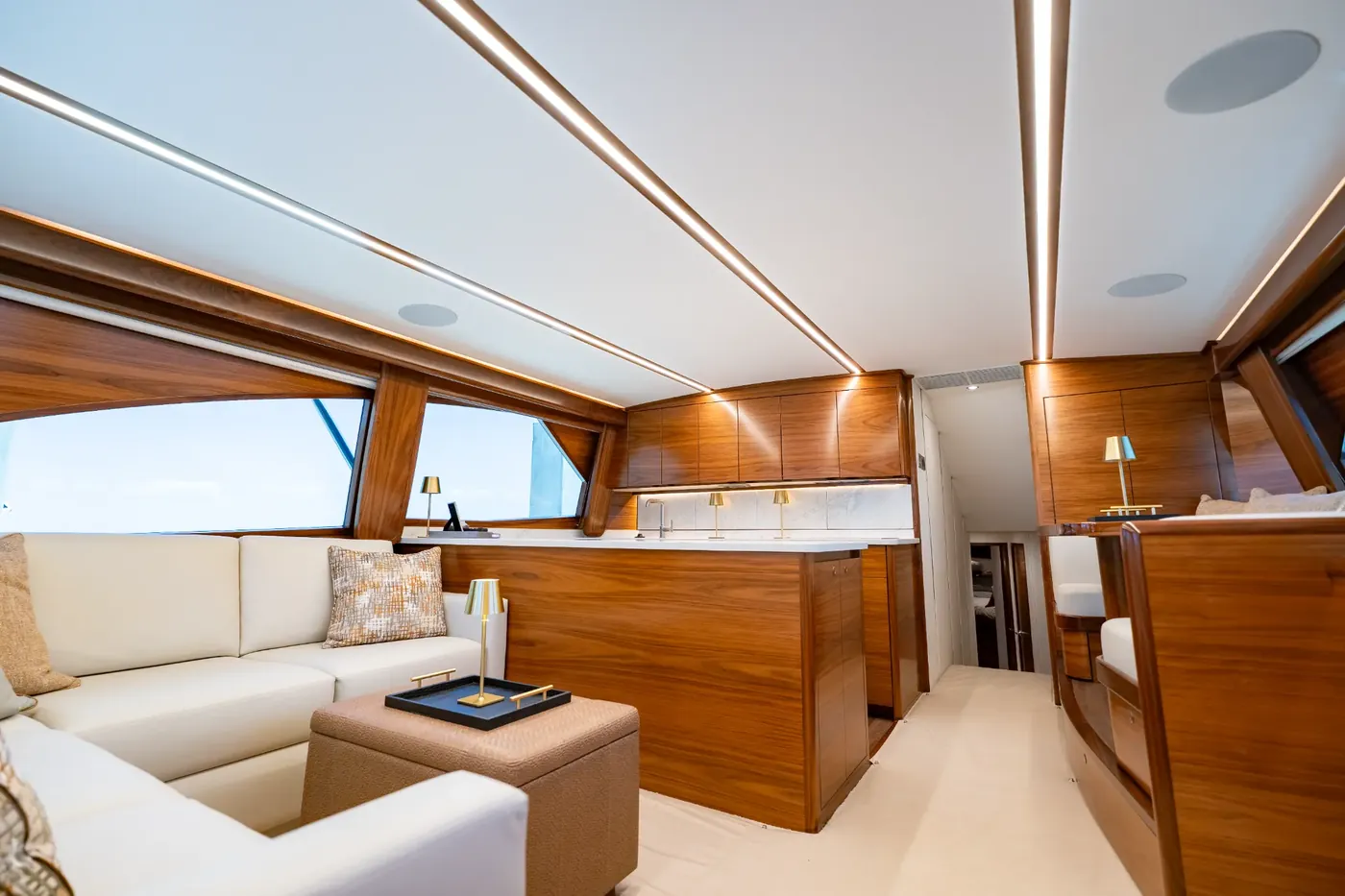
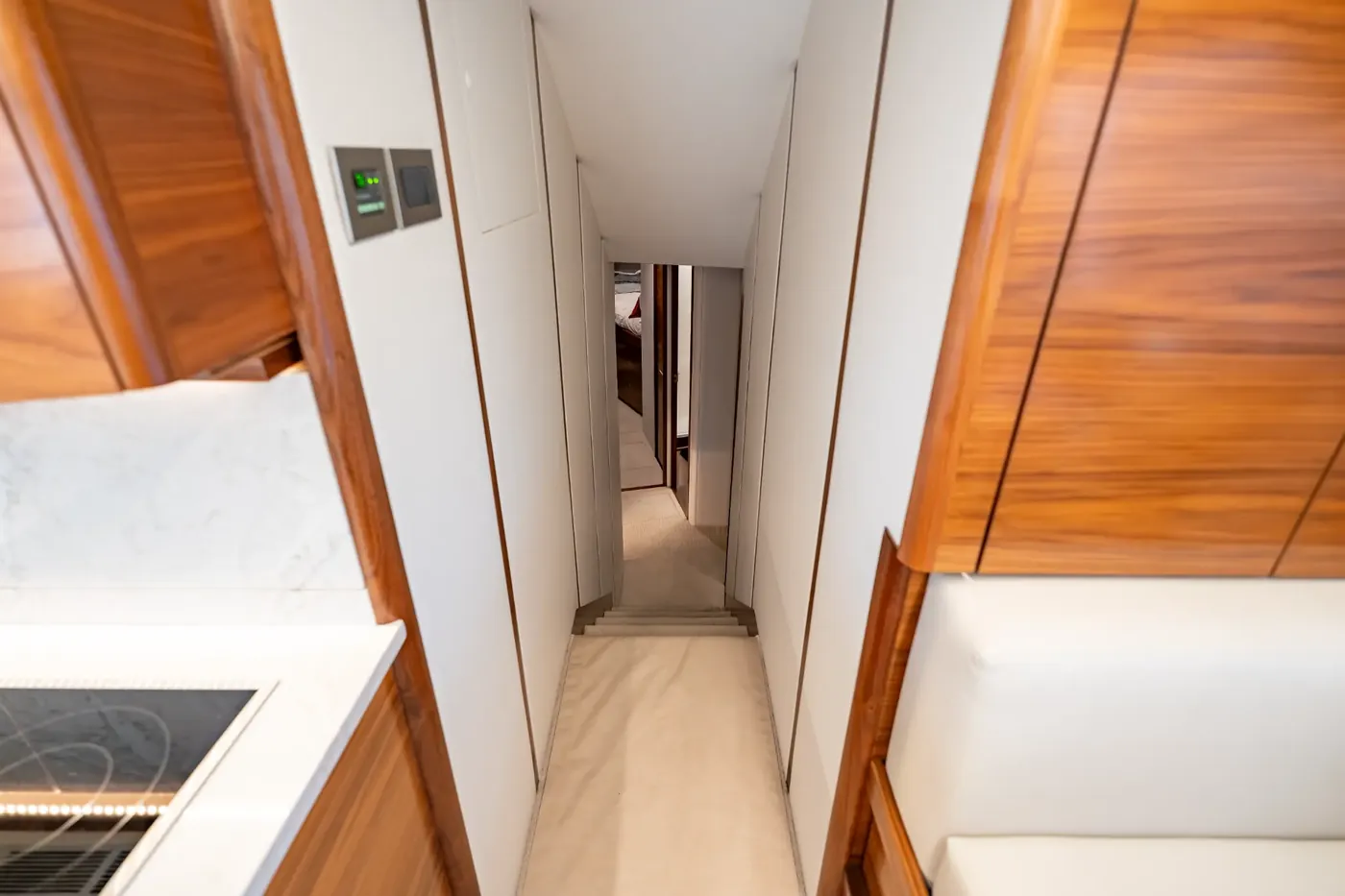
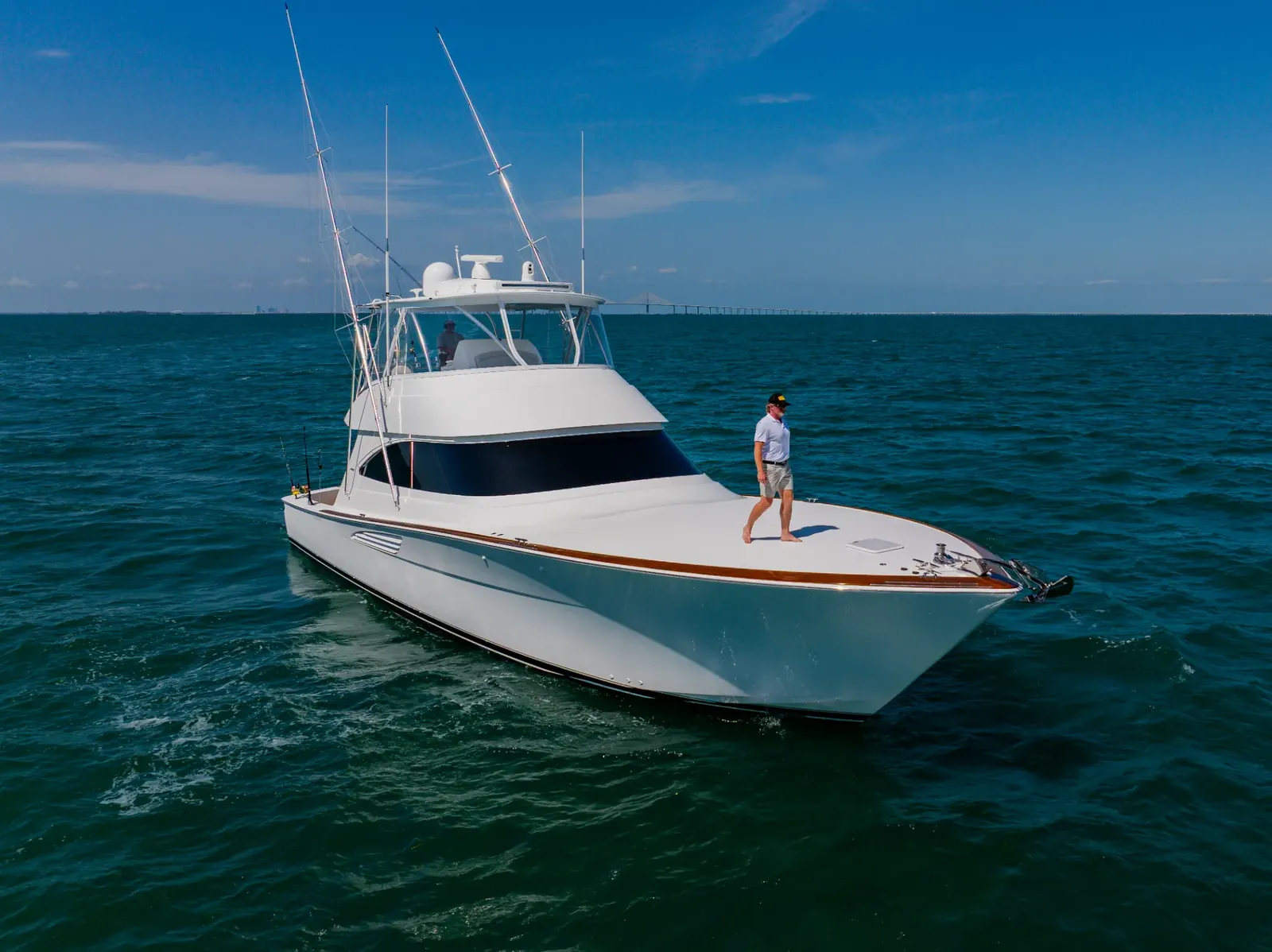
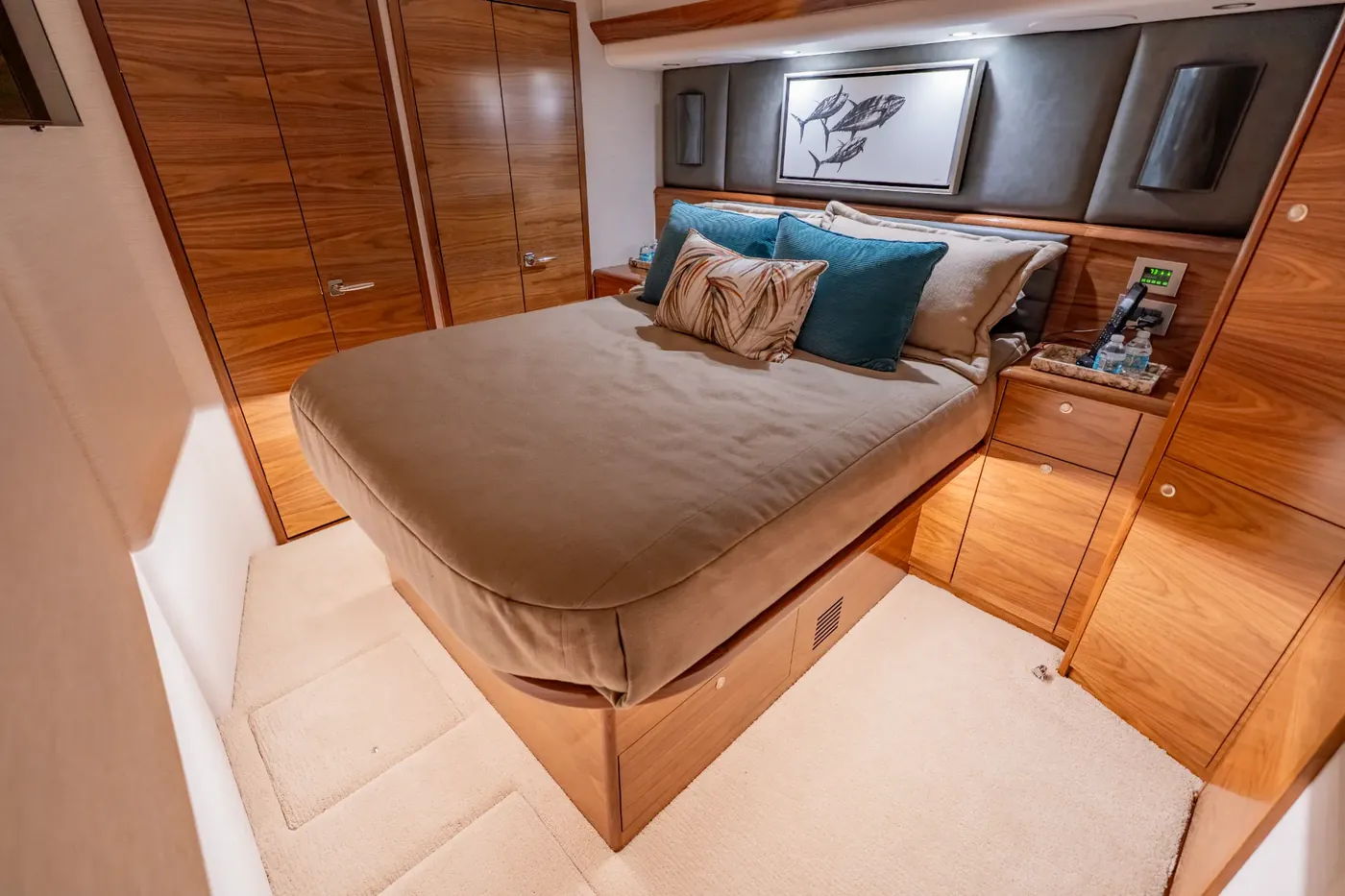
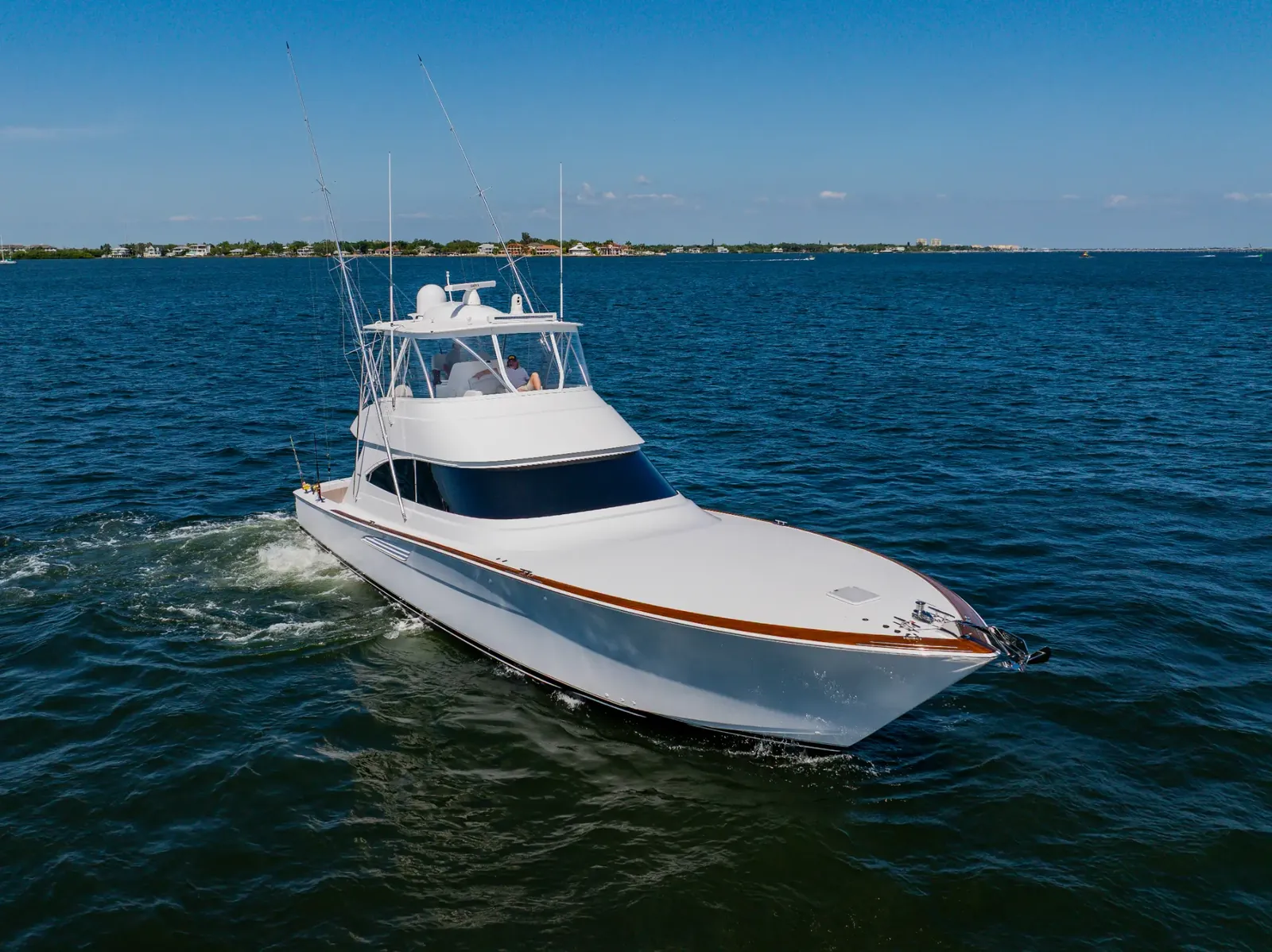
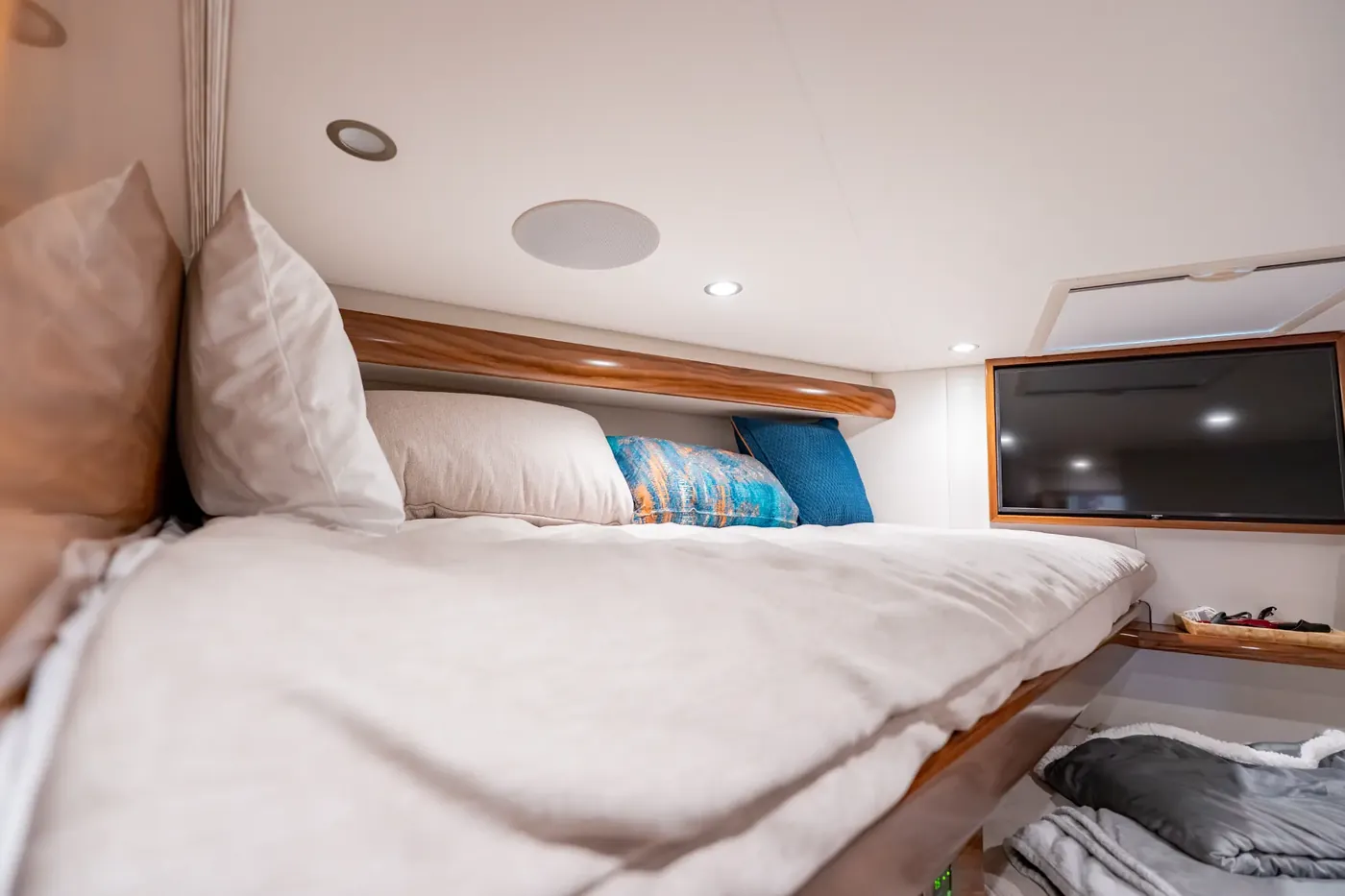
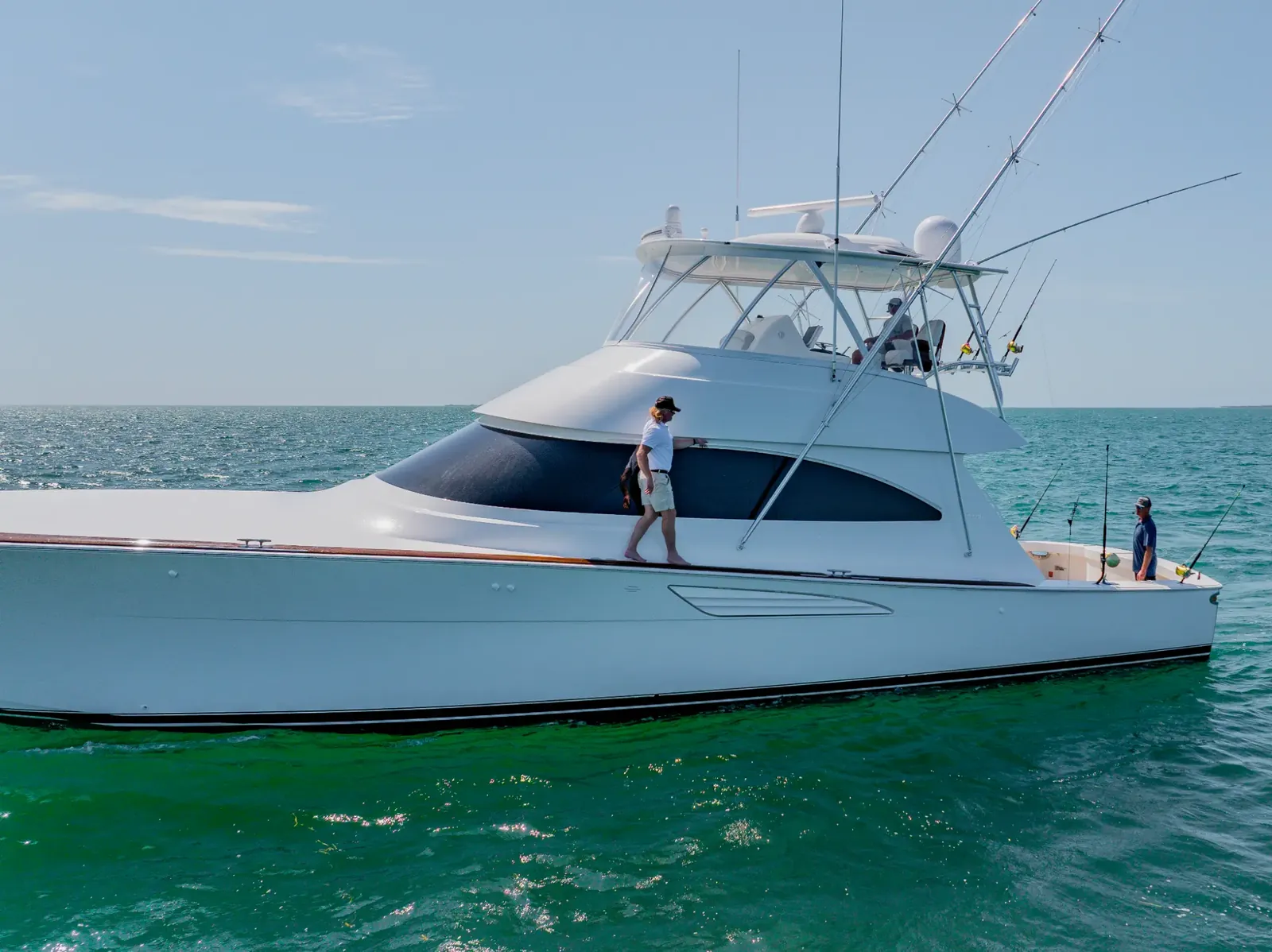
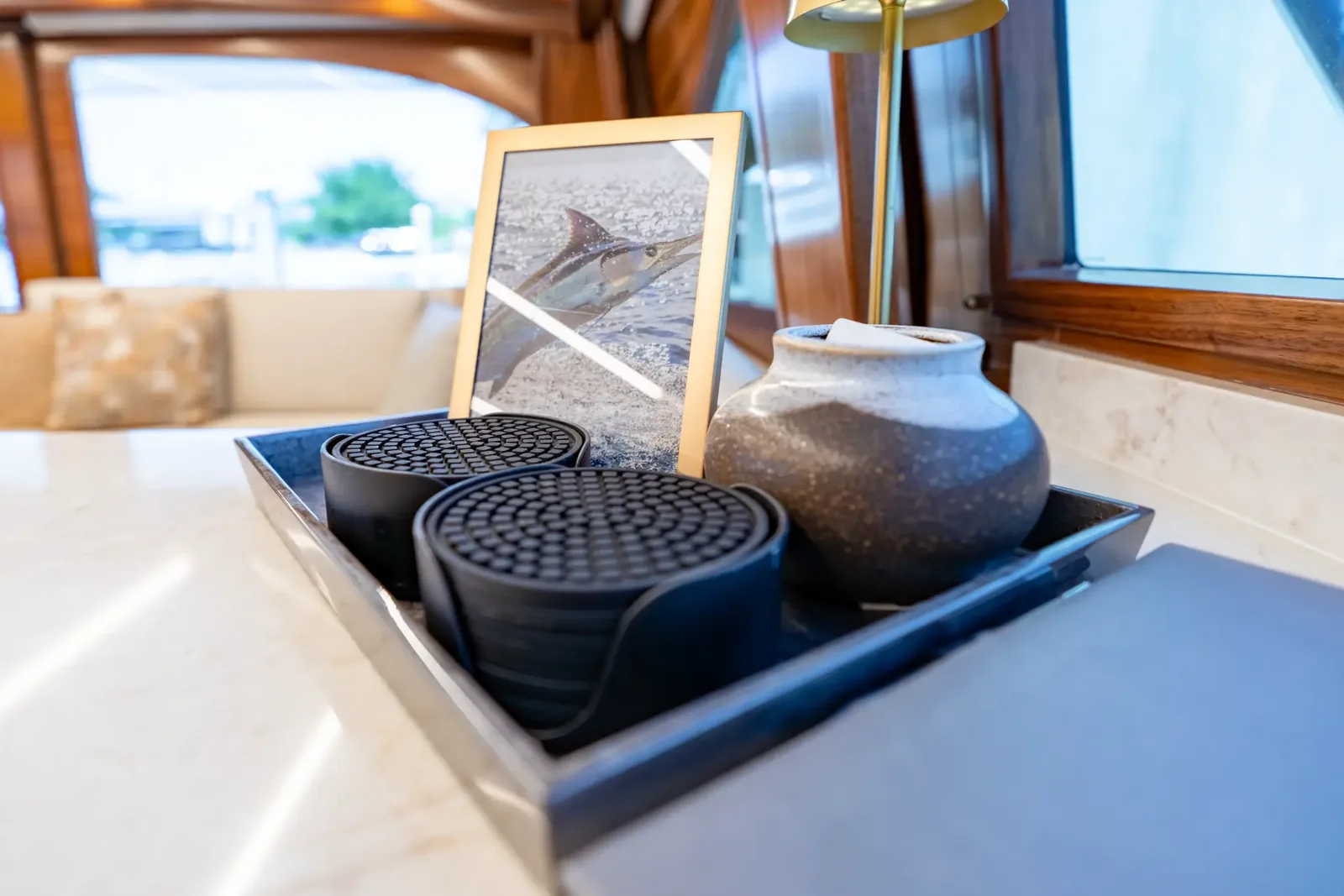
Twenty-four frames of the 58' Viking: the boat herself from the drone and from her own decks, and the walk-through below — the helm, the salon, galley and dinette, the cabins, and the water she was built for.


 This is the way